02 September 2009

Super Foods for a Super You: Part II of V: Super Berries

I have a wonderful little routine. I love those small energizing meals that make you feel fantastic, put you back on track when you believe you’re about to loose focus, or just simply have the effect of making you a happier person. My Casall colleagues probably think I’m a little freak of blueberries and well…yeah, they’re so right. My morning booster consists of a wonderful mix of Kesella Lätt (it’s the new cottage cheese: only 75 calories with 13 g of protein, found only in Sweden I believe. I was introduced to it by my fabulous Swedish PT, Magnus), those big fresh blueberries you buy in a little plastic box from Coop, and a spoon of Ezekial cereal and a sprinkle of Salba (make sure to read Super Grains, Part I just below). Or I could equally well just delve into that little box of blueberries without any additives – I love them in their pure, natural form and I just can’t get enough of them!


What’s more, you can eat as much as you want. No limits, no bad feelings. Small nutritional powerhouses are what they are, invaluable to my spirit and health – both for the quick, short-term good feeling as well as for the long-term healthy me. Research supports the fact that berries are among the fruits highest in antioxidants. The antioxidant buzz has been huge recently; still many people seem unable to explain why in fact we should eat them. Why are they such a good friend of our bodies?

Super berries, including blueberries, strawberries, raspberries, goji berries, acai, pomegranate, camu, lucuma, mulberries, and many more, carry a high content of antioxidants. Apart from this, they are also a rich source of minerals, vitamins, and fibers – however, my focus here will be on the important feature of antioxidants in their role as health promoters long-term. Low in fat, good for your cholesterol levels, and low in carbs and calories, these small miracles of nature definitely gives you more than their size or appearance would suggest. Just to give you a quick understanding of their nutritional value: one cup of blueberries, strawberries, or raspberries gives you more than the recommended amount of Vitamin C for a whole day. So besides the delicious taste, eating berries is one of the best long-term nutritional investments you could probably do.

Antioxidants. These are substances that reduce oxidative damage such as those caused by the release of free radicals in the body. Shortly, antioxidants are chemical compounds of various minerals, vitamins, enzymes, amino acids, and phytochemical antioxidants. There are hundreds of different types and versions; however they share a common capacity to reduce the oxidative damage to our cells and tissues. They hence help our bodies to counteract the natural oxidation that contributes to the ageing process and many chronic diseases such as Alzheimer’s, cancer, cardiovascular illnesses, and rheumatoid arthritis, among others. So, this is where the so-called super berries, implied by the epithet itself, enter the stage: they bring you those important antioxidants in various degrees, and even small amounts are needed to cover the daily intake recommendation. I’ve understood many people rely on those food supplements in tablet form, and of course this is better than not ingesting any of those vital substances at all. However, this is not as effective as eating them in their pure, natural form, and me, personally, can’t see why it would be a difficult choice having the real berries instead of some artificial unattractive pills on your tongue.

Measuring the antioxidant capacity of foods involves using ORAC values. It stands for Oxygen Radical Absorption Capacity and measures how well the antioxidants in the specific food neutralize free radicals. To get a clue about the antioxidant content of different foods, I’ve listed some of the super berries and some other foods for you to compare and understand what products are high in antioxidants and which are not. The ORAC value is expressed in the unit of micromoles per 100 grams servings, which is commonly used as a standard.

Gogi Berry 25,300 (seriously? Yeah..seriously)
Acai Berry 18 500 (obviously a true super berry)
Prunes 5 770
Raisins 2 830
Blueberries 2 400 (2x that of raw spinach)
Blackberries 2 036
Mulberries 2036
Cranberries 1 750
Strawberries 1 540 (2x that of broccoli florets)
Spinach 1 260
Red grapes 739
Salba 7000 (yes, not a berry but I can’t go off enough about this little miracle. Read Super Grains post below)

Goji berries, tops the list by a landslide! Recently it has become an extremely popular health beverage known as goji juice. However, eating the berries as they are in their pure form is both less expensive and probably a better health-carrier. Goji berries are commonly found in Chinese herbal stores, whereas the juice can be purchased through several channels, ranging from health food stores to online stores. In terms of its health benefits, goji berries have played a central role in traditional Chinese medicine, where they are eaten raw, soaked with tea or added to soups. Antioxidants are again one of the main reasons for ingesting this berry; this time we are particularly dealing with carotenoids, such as zeaxanthin. This type of antioxidant is involved in reducing the risk of age-related vision loss and blindness at a later stage in life.


Goji berries


Acai berries are super berries which have gained a lot of attention in discussions of dietary supplements for quite some time now. They can be found in many forms, including tablets, smoothies, drink powders, and whole fruits. Its nutritional value can be examined in terms of its importance to traditional populations in Brazil where acai berries have constituted more than 40% of total food intake per day. Acai berries carry the omega fatty acids that help to lower harmful cholesterol, while maintaining the beneficial one, giving it unusually similar characteristics to olive oil. Speaking about antioxidants, a popular reference is often made to red wine, “one glass per day…”. Listen and remember: acai is rich in antocyanins, which is one crucial antioxidant type that helps combating premature ageing, and acai berries do in fact carry 10-30 times more antocyanins than a glass of red wine does.

There are plenty of possibilities to mix the super berries with other ingredients to make awesome meals, breakfasts, etc. This is my friend’s recipe for a nice smoothie which I love to make for myself. It takes like 10 minutes to prepare and serves around 4 people:
  • 1 cup of washed, chopped strawberres
  • 1/2 cup washed, chopped blueberries
  • 1 cup orange freshly squeezed juice
  • 1/2 cup pineapple juice
  • 1/4 cup cranberry juice
  • 1/2 cup ginger piece (further adds to the antioxidant content)
  • Some mint leaves
  • 1 tablespoon honey (only if the berries are sour)
  • 2 pinches of black pepper
Of course, as in all other instances of picking the optimal parts of a healthy diet you should go for variety. Merely eating berries is definitely not a recommendation I would give; Hollywood rumours of a Victoria Beckham eating a cup of blueberries in the morning, some salad for lunch and an almost non-existent dinner is in no way in accordance with my recommendation of eating berries. Just to make it clear enough.

I shared a yummy Swedish blueberry pie with a Swedish friend the other night – awesome! Vanilla ice-cream works fine, but I’d rather go for the Vaniljvisp – fluffy, yummy, and light! I know most Swedes can do the blueberry pie by heart, but this standard recipe is for anyone who stands outside of that group:

Blueberry Pie


125 gram butter
225 gram sugar
1.5 tablespoon baking powder
140 gram flour

1 egg
200 gram blueberries

Preheat the oven to 175°C. Melt the butter and let it cool for a while. Beat egg and sugar until fluffy. Add the butter, and beat to incorporate. Add the flour and the baking powder, and stir until batter is uniform. Spread into a greased pie dish, and scatter the berries on top. Bake, low in the oven, for about an hour.

Enjoy!
Digg StumbleUpon Facebook Twitter

17 August 2009

Super Foods for a Super You, Part I of V

My visit to the Ashram last year taught me one important lesson, consciously eat nutrient dense foods (have a look at my old blog post about me and my whole grains: http://mycasall.blogspot.com/2009_04_01_archive.html). Food should count and provide you the maximum nutrients with the minimum amount of calories. When your body has received the nutrients it needs, you are less hungry. I’m going to do a series of blogs on this subject. Here’s my outline so you know what to expect and I would suggest following this blog so you don’t miss these posts!

Part I: Super Grains
Part II: Super Berries
Part III: Natural Appetite Suppressants
Part IV: Good bacteria
Part V: Algea


Part I: Super Grains


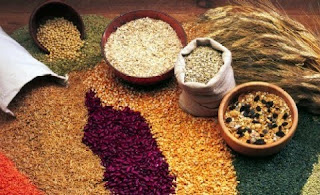
I decided to investigate and compare and contrast my top three favourite super grains:

- Quinoa
- Ezekiel
- Salba

Why eat Super Grains? Rich in protein and fiber, low in fat, and an excellent source of energy – super grains can really change a lifestyle! They are a great source of the B complex vitamins which promotes a more efficient release of energy in the cells, also the high fiber content helps to slow down the release of glucose into the blood which stabilizes the energy level and makes you less exposed to booms and busts. Making a long story much shorter, super grains are undoubtedly a terrific treasury of nutrients and unbeatable substances that are just screaming for your attention!

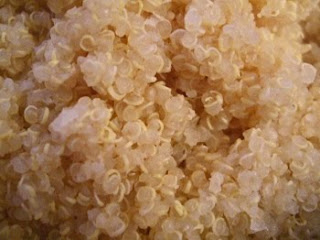
Quinoa


Correctly pronounced, “keenwa”, this super grain type is a very good vegetarian source of protein, also rich in minerals, vitamin E and several of the B vitamins, and the essential fatty acids which are particularly crucial for a good-looking, healthy skin and hormone production. The preparation instructions are simple: cook the quinoa like ordinary rice, for approximately 15 minutes, and the small disk shaped seeds turn into a fluffy consistency with a delicious nut-like taste. Before cooking, the seeds should be rinsed thoroughly to eliminate the bitter taste of the saponin (a natural insect repellent usually found in the seed coat). Quinoa makes a lovely presentation, especially in combination with a variety of vegetables and seasonings to make terrific dishes, and they also make a good substitute to almost any other grain in any recipe. Vegetable or chicken stock can be used instead of water when boiling, adding flavour. Quinoa can in fact also be found and purchased as a dry product, like corn flakes, and hence serve as a high-protein, exceptional breakfast food when you mix it with almonds, berries, and honey.

A quick look into my refrigerator and I just run down to the supermarket to complement with a couple of ingredients: try this simple but oh-so-fresh quinoa salad!

2 dl quinoa
1 vegetable stock cube
Olive oil
2 garlic cloves
2 tablespoons balsamic vinegar
1/2 cucumber
3 tomatoes
1 small red onion
1 teaspoon mineral salt
black pepper
a bundle of parsley
2 cans of crayfish tails

Ezekial


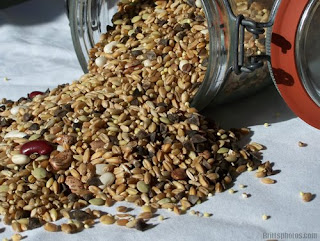
I find it particularly interesting that the name of this super grain originates from the Bible, verse Ezekiel 4:9: “Take also unto thee Wheat, and Barley, and beans, and lentils, and millet, and Spelt, and put them in one vessel, and make bread of it…” The Holy Scripture gives us the recipe straight out!

Ezekiel whole grain products are organic and flourless with complete protein content. Sprouting the whole grains ensures that all the vital nutrients stored in the whole grains are released. With the right amount of water added to the organically grown grains crucial enzymes are activated causing the grain to sprout and become a living food. This sprouting process increases valuable nutrients including vitamin A, B, and C, iron, potassium, magnesium, and calcium. Furthermore, the sprouting treatment results in a lower carbohydrate and calorie content than what was originally in the grains.

There are several products of Ezekiel that might attract your taste. Have a look at
http://www.foodforlife.com/our-products.html. For instance, there is this wonderful Ezekiel whole Grain cereal in Cinnamon Raisin – perfect with yoghurt and a great start of your day! Breads made from Ezekiel are also delicious, naturally flavourful and bursting with nutrients! It’s hard to imagine these products are so healthy to me and tastes so lovely at the same time. After you tried them you will definitely realize it’s possible to eat the stuff you love and still keep onto a lifestyle that promotes your well-being. The rich nutty flavour adds to a quicker feeling of satisfaction. Terrific- try it!


Salba


This odourless and flavourless seed belongs to one of the most nutritional packed foods in the world. Also, it happens to be the only food that holds a medical patent. Of course there are reasons for this, just have a quick look at its unbeatable characteristics:

The Salba seed carries...
- 6x the calcium of milk
- 3x more iron than spinach
- 2x the potassium of bananas
- 3x the antioxidant strength of blueberries
- 8x the omega 3 fatty acids of salmon
- 2.5x the vegetable protein of kidney beans
- 15x the magnesium of broccoli

Honestly, this is an explosion of nutrients. Could anything you put on your tongue do you any better? Fantastic. I hate the feeling of getting tired immediately after lunch – my energy level just drops like that. It’s the carbs’ fault. What makes the Salba seed so healthy is the fact that in combination with water, the seed gels up in your stomach and can be processed at a slower rate, and this eliminates the enervating effect after your meal. Try it out for a period of time and you’ll see that you have more energy to finish your running loop. So basically there are huge energy benefits from eating this super grain. In 2007, the Salba seed was awarded the alive award of excellence for its nutritional benefits. What’s more, the anti-ageing/beauty industry also seems to have acknowledged the positive effects of ingesting this little seed; Salba promotes your energy and vitality and in this sense “keeps you younger” so-to-say.

Keep it simple – just add a tablespoon of the Salba seed to your yoghurt in the morning. There are plenty of possibilities for the Sweet Tooth as well: the thickening effect of the Salba seed is similar to that of eggs so just replace the eggs for the Salba when baking your delicious brownies! Life’s too short to stay away from lovely sweet desserts, there’s no doubt about this, but why not make a smart choice when you’ve got the chance? There are almost no limits to how you may incorporate the Salba seed into your diet; just add it to soups, cereals, wraps, fruit dishes, pan cakes or salads and you will easily get access to this invaluable source of nutrients without making life more complex than it is.
Digg StumbleUpon Facebook Twitter

02 August 2009

From Heavy Finance to Passion for Fitness

After a nostalgic chat with one of my dear friends from MIT the other day I thought I wanted to devote this week’s blog post to her. Meet Tingting Peng – a fascinating and lovely person who decided to start her own business after a few years in the intense finance industry. Iron Lotus is the name of her training concept and fitness philosophy, you can read more about it at www.ironlotusfitness.com. This is part of her story:

What were you doing before starting Iron Lotus?

I was working as a financial analyst with a US-based hedge fund, researching trade ideas for a Hong Kong-based portfolio manager. Prior to that, I spent half a year at a start-up hedge fund and two years as an investment banking analyst with Morgan Stanley.

What inspired you to start Iron Lotus? What’s your fitness philosophy?

The concept of Iron Lotus came from several directions. My fitness philosophy is that the most effective exercise program is one that consists of a balance between building strength, endurance and flexibility while doing something that you enjoy. I picked up yoga practice to destress from work and to complement my stretching regimen post running competitions and immediately felt an improvement in my overall health, endurance and was able to breathe easier especially during longer runs. From this experience, I saw a disconnection between the muscle building weight-based resistance training and machine-based cardio exercise at the gyms and the grace, agility, and mental clarity offered by a strong yoga practice. Iron Lotus Fitness aims to integrate all of these aspects of exercise on a strong foundation of body awareness introduced through yoga postures. Also, I am a huge fan of the outdoors and Hong Kong is actually a great place for people who enjoy being in nature, though most people I know rarely ever venture outside the city center, which is why I hold some of my classes outdoors. My ultimate inspiration is to be able to share my experiences and hope to offer anyone, who is looking for a change in his or her lifestyle, the tools and knowledge to live better, healthier and happier lives!
Goddess pose. "My fitness philosophy is that the most effective exercise program is one that consists of a balance between building strength, endurance, and flexibility while doing something that you enjoy."
So how does your MIT education help you with your new life?

Looking back on my MIT education, I think all of the late nights I spent studying really taught me the importance of staying motivated through difficult situations (all those exams, projects, deadlines, and papers...). The Management Science classes I took also taught me creative thinking in addition to strong quantitative skills. Starting Iron Lotus Fitness has thrown a variety of challenges my way daily, but I feel I am more than prepared to handle them because MIT's "fire hose" trained me to be a creative problem solver who's able to succeed under pressure. Those tough classes at MIT taught me not to be scared of failure, so I am really approaching growing the Iron Lotus business with the same energy and passion that got me through the Institute.


"Those tough classes at MIT really taught me not to be scared of failure"

What about food? From what I recall, you used to eat lots of junk food when we were in college. How do you eat now?

Yes, I definitely went through my Freshmen 15 phase. But these days, after working in finance the last few years, I have learned the importance of a balanced diet to my overall health and energy levels. I eat three regular meals everyday, starting with a power breakfast (fibrous cereals, multigrain breads, with yogurt, and fruit smoothies infused with whey protein), followed by a satisfying lunch (fish or a little meat, vegetables and some carbs), then a light dinner (usually vegetables and some soup). I also snack throughout the day, carry healthy nuts (walnuts/almonds) with me when I'm on the go, eat apples or bananas between workouts and meals for energy, and stick to one coffee per day.

Do you have a favorite superfood?

I love bananas for a quick energy pick-me-up and also walnuts for muscle recovery after working out.

Did you recently do a triathlon? How was it? What advice do you have for someone who’s thinking of doing it?

I did a triathlon last November; it was an amazing experience and so much fun! Not only was it a physical challenge, having to train all three disciplines (swimming, cycling and running), but it was also a huge mental challenge, pacing myself, believing in myself to maintain stamina and endurance, and getting over the hump of wanting to give up when there was some pain. I trained and competed with a few girl friends, which I would recommend to anyone who's thinking of doing a triathlon, because having the constant motivation from your friends, even though you are all competing separately really keeps you going! Also, my motto for training for endurance events is "Pain is inevitable, suffering is optional". This is where the mental hurdle comes in. Just remember to take one step at a time, eat right, sleep well, listen to your body, rest as necessary and have faith in your own ability to achieve.

"My motto for training for endurance events is 'pain is inevitable, suffering is optional'"

Do you want to learn more about Tingting and Iron Lotus Fitness? See Tingting in action, showing some of her training recommendations on youtube: http://www.youtube.com/watch?v=W9qkCNYS7Gc

Digg StumbleUpon Facebook Twitter

20 July 2009

China Road Trip: Defy Gravity, Strange Slope of China

After our last blog post about holiday stress, I just got back from a phenomenal and unplanned 2 week trip to China! Even though I visit China at least 2-3 times a year, I haven’t had the luxury of staying there for more than a week since I was still in single digits. This trip was a mix of business and pleasure that finished off with a one week road trip together with my parents, my aunt, two of my uncles, my 84 year old grandmother and my cousin. The road trip was rather spontaneous. My mother had talked about it casually but it was really last minute we actually decided to do it and planned each day of the trip the morning of. I left for China with the basic expectation of spending some quality time with family but ended up with a rich experience filled with love, laughs, soul searching and adventures!

My grandmother, my mother and my aunt were born in the Liaoning Province of China. My grandfather used to be the Head of Finance of AnShan’s Steel factory, the largest factory in China. My grandfather was then relocated to Inner Mongolia to run another large steel factory. It’s been 50 years since my grandmother, my mom and my aunt visited their home town. This trip was such a unique opportunity for three generations to go back to our roots. My grandmother couldn’t recognize a single thing in AnShan except for the actual steel factory that still exists. The Liaoning Province is located in Manchuria (where the Manchu people lived. The Manchu people ran the last dynasty in China and my grandmother is of the Manchu ancestry).
We visited several sites and these are my top recommendations:
Shenyang Imperial Palace built in 1625, the only other palace outside of Beijing’s Forbidden City.

The largest jade Buddha in the world in Anshan sculpted from a single piece of jade.
Go for a hike at the Qian Shan National Park.
Have a delicious organic meal at a local farmer’s home and eat fresh fruit picked right from the trees.
Take a boat tour through the Benxi Water Cave.
My favorite place that TOTALLY shocked me and probably the strangest experience I have ever had in my life was a visit to Strange Slope otherwise known as GuaiPo:


This is a slope where gravity is the opposite. What do I mean by that? Well, we drove down the slope and put our car on neutral with the engine off, immediately the car rolled UP the slope backwards at a pretty decent speed… This totally did not make sense so I got out of the car and rode a bicycle down the slope…I felt like I was riding uphill or just extremely out of shape! Then, when I got to the bottom of the slope and going back up, I didn’t even have to pedal, the bike naturally rolled up the hill! I am not joking, I know it sounds crazy but you have to experience to believe it! Many scientists have visited the strange slope and there is still not a clear explanation. If you have a chance to visit China for the first time or again, I highly recommend the Liaoning province. Digg StumbleUpon Facebook Twitter

14 July 2009

Facing Holiday Stress

I’m posting from Inner Mongolia to introduce a guest blogger this week: Andrea Frigell, a Casall ambassador and summer intern from Stockholm School of Economics. More importantly, she just spent half a year studying in Milan! How amazing… Enjoy!

So, July arrived and most of us go on vacation or at least see the holidays approaching. Suddenly we are supposed to cram all those desirable holiday activities into a couple of weeks of freedom. Hmm, well the truth is freedom may not be an appropriate synonym to vacation, especially not if listening to the general opinion. How to plan this free time? Who to meet? When to do what? When the planning begins, usually we realize time just flies and it’s basically time to get back to work.

I was sitting on the train a couple of days ago, I was really on-the-go, reading some important papers from work, checking my phone constantly, and waiting for, well let’s say a dozen of calls with important people. For some reason, in the middle of this stressful chaos, I opened a magazine someone left in front of me and my eyes soon fell on an article discussing the phenomenon of summer holiday stress. Interesting, I thought, particularly as I realized my own vacation was approaching and I was still in the middle of so many projects, to-do-lists and commitments…

When you google “semesterstress” or “holiday stress” you are overwhelmed with readings on the subject. Mental coaches, career consultants, blogs, lifestyle magazines…they all appear to have a word of wisdom or some thoughtful reflections to share on this.

Best, or at least most relevant, pieces of advice that I came over:
- Reduce expectations: relaxation is about facing life as it is, and too high expectations will ruin the process of getting in a relaxed mood
- Change mobile signal: a subtle but very effective help on the way. You want to be disassociated with your everyday life, hence you should also change those small details that remind you of it.
- Plan your work before so that you don’t have an excess amount of work the week before your holidays start. Remember it takes time for the brain to calm down and relax.
- Consider your acceptance level in terms of how available you want to be when you are away and plan for this. Hard, you may think, but make sure you inform people at work you will be away.

For some reason, the phenomenon of holiday stress seems to be coming back constantly, especially when the summer hits us. The general recommendation seems to be to lower expectations and make sure to calm down at least a couple of days before the holiday starts.

The constant haunt for prestige and built-in expectations plays a huge part in creating the stress factor. We want to return to work after our holidays and tell the world what fantastic experiences we had, what interesting places we visited, and how many activities we managed to cram into these few weeks. And of course, for the sake of our own satisfaction, we expect our holidays to be something extra, something above our everyday life routines and experiences. Not surprising, we get disappointed when these expectations aren’t fulfilled. Such a small thing as bad weather could cause us great anxiety and dissatisfaction. “I could equally well have been working” is a common attitude that results.

This is where the major problem comes in. We are unable to truly relax and appreciate life as it is, in its simple form.

Just like in so many other instances of life we are faced with the challenge of finding a balance in anything that we put our mind or body to, and it’s definitely not an easy challenge. It’s easier working with the extremes than the “fair enough”. You do need planning in your life, for the sake of managing time, but life also needs spontaneity to make it interesting (slash worth living). Somehow Italy taught me this, to better grasp the moment and reject part of my Scandinavian ambition for too much planning and structure. How do I find the best recipe blending planning and spontaneity? Well, your recipe is probably different from mine, but let’s call it Carpe Diem with a little bit of good planning. The art of planning for a longer summer holiday lies in the ability not to plan overwhelmingly and still make sure you do get the chance to fill your time with the things you love and may not have time to devote yourself to during the rest of the year. Keep in mind what the basic reason for going on vacation is for you, where most people would probably argue it’s about capturing new energy and inspiration. For one person this means to see the world in three weeks, for another it’s equal to staying in the summer house reading books all day long, not brainstorming on any larger projects than what to have for dinner or which next great novel to delve into. Keep it simple, listen to yourself, and make it simple when it isn’t. Most importantly, stay honest with yourself and your needs.

Whatever it might be, take a moment to think again; what really makes you feel good? Find the valuable moments when you do enjoy yourself and feel inspired. Most often these situations are the most simple ones. I see the clichés flowing here, it’s a pity isn’t it, but for some reason I got the impression such clichés were needed just to remind you (and myself) of their importance.


My source of inspiration. I love this pic from Casall’s SS09
catalogue, particularly since it combines the sport and the place that I love:
running on the island of Gotland.

What’s your recipe for relaxing during the holidays? Please feel free to send me an e-mail at andrea.frigell@casall.se or share your opinions with me on facebook.

Digg StumbleUpon Facebook Twitter

06 July 2009

Back to basics: Muesli

Muesli is probably the most common cereal at the Swedish breakfast table. The number of brands and flavours in any grocery store seems endless.


Breakfast is the most important meal of the day so eating a super nutrient-dense meal is very important! Most branded cereals are full of sugar and additives, so switching to natural muesli mixes is something the Swedes have perfected.

Muesli is great to eat with yoghurt, milk or as we do in Sweden with “fil”. The base of muesli consists of rolled oats with numerous additions such as rolled rye flakes, wheat flakes, nuts, seeds, berries and fruit. Whole oats are great source of iron, dietary fibres and antioxidants. Here are some ingredients that are super healthy and great to mix up to keep things always interesting:

Seeds and nuts:

Flax-seed: very rich in Omega-3, beneficial for your heart and helps avoiding cancer.

Sesame seeds: a good source of calcium, magnesium, iron, phosphorus, vitamin B1, zinc and dietary fibre.

Sunflower seeds: an excellent source of dietary fibre, protein, Vitamin E, B vitamins, and minerals.

Nuts: nuts can be super beneficial for your health and the characteristic that most nuts share in common are richness in
fibre, antioxidants such as Vitamin E and selenium, fat - but mostly monounsaturated and polyunsaturated fats (e.g. omega 3) great to lower cholesterol, and protein.

Fruit:

Bananas: super rich in potassium

Peaches: rich in carotenes, potassium and gives a sweet taste

Apples: great source of dietary fibres and vitamin C

Berries:

Strawberries: a great source of vitamin C and antioxidants

Raspberry: High in ellagic acid, a phenolic compound that may help prevent cancer, inhibit the growth of cancer cells and stop the growth of some cancers. Also high in antioxidants and vitamin C.

Blueberries: called the antioxidant powerhouse


A great way of enjoying muesli in the summer is roasting your own muesli, and adding the seeds of your choice and then adding fresh berries and fruit. You can also add some honey for a sweeter taste. A breakfast tasty enough to be a dessert! But when fresh berries and fruit are scarce here is a great recipe for home-made muesli, a great way of avoiding the unnecessary additives in the processed ones:

2 tbs reseed oil
0,5 tbs liquid honey
1 tbs cinnamon
5 dl rolled oats
5 dl rye flakes
0,5 dl crushed flax seed
0,5 dl peeled sesame seeds
0,5 dl sunflower seeds
1 dl pumpkin seeds
100 g roughly chopped hazel nuts
100 g roughly chopped apple rings

Mix oil, honey and cinnamon. Pour the rolled oats and rye flakes in a spacious bowl and add the oil mixture. Mix well and scatter over a roasting pan with oven paper. Roast in the middle of the oven in 225 degrees Celsius for 10 minutes. Stir the muesli a few times during the roasting. Let the muesli cool off and then add the rest of the ingredients and put the muesli in a jar with a tight seal. If you put in a vanilla pod the muesli mix will absorb a nice flavour.

Enjoy!

Digg StumbleUpon Facebook Twitter

30 June 2009

Hottest Chef

One of my dearest girlfriends is on the cover of the Evening Standard magazine!! Meet Suzanne Pirret, sexy, confident, witty, and top chef.


I met Suzanne on a ferry boat in Thailand while leaving Koh Phi Phi and onto Koh Lanta. We instantly hit it off and bonded after an awful- and brief stay at Pimalai Resort…great if you want to experience golf carts and an Americanized experience of Thailand.

Suzanne has worked in the restaurant industry since she was a kid and completed the Grand Diplôme from Le Cordon Bleu. She also completed the graduate theatre program at Harvard and is an award - winning voiceover artist. Suzanne now lives in London and has recently published an amazing cookbook called The Pleasure Is All Mine - a hilarious memoir/cookbook with a hundred recipes - all for one serving and using practically no equipment. Aside from being an amazing chef, a published author, and an artist, she is in tremendous shape - truly an inspiration!


Last time I was in London, she taught me how to cook this incredible and super easy New Season Grilled Lamb with Lemongrass dish and a Chocolate Fondant for one - although we doubled the recipes, which turned out perfectly.


Cooking for one is a joy and her book is brilliant. When you can enjoy incredible food and still look like her…that’s amazing!

To stay fit, Suzanne loves to do a great mix of different activities. Here she tells us about her way of staying fit and healthy:

I've been an athlete my whole life. Mostly running - competitively when I was younger, but now just to clear my head. Nothing longer than four or five miles because my knees tend to give out - so it's just slow and steady with lots of steep hills (even if I crawl up them). I've also enjoyed dancing over the years but would hardly call myself a dancer. I'd take jazz classes and pretend to be a Bob Fosse dancer. As one ages, it's difficult to find non-competitive dance classes - so you just become the old lady in the back of the class trying to keep up. Not a good look.

I must admit, I get bored very easily and crave sports that make me sweat profusely. I started boxing and jump roping about ten years ago, which I love - it’s a great stress-reliever. I recently hired a personal trainer here in London who's known as Cathy "The Bitch" Brown. She's the third feather - weight boxing champion in the world and is seriously hard-core. She kicks my ass with a combination of power sprints and intervals for 20 minutes, then followed by another 40 minutes of boxing, kickboxing, weights, and tons and tons of squats and lunges all throughout. It's brutal but you feel like a champion when it’s over. And it certainly alleviates the occasional hangover from a previous evening of decadent food and wine (which I will never deprive myself of). I also try and incorporate a session of pilates each week with another excellent trainer/physio-therapist named Maggie Perez-Claiden. It's just the opposite of boxing but equally as powerful. The exercises are very controlled and intense - the focus being on body alignment and posture. If I can get in a combination of three to four workouts a week - it keeps me very sane.

She also loves Casall! - here’s her favorite outfit from SS 09 collection (still in stores until August).

So, go out and get this book, cook decadently for yourself, and go work out afterwards! Digg StumbleUpon Facebook Twitter

12 June 2009

Passion for Business and Casall

We had a really successful event at the Stockholm casall store together with Passion for Business, a Swedish magazine dedicated to women in business. It is quite amazing that this magazine type of magazine exists and can be easily found throughout Sweden. Despite the thousands of magazines in the US, we do not have something similar to this that I know of. I only wish it was translated in English because I really think there is a void for this type of publication. Here is a picture of Carl-Axel Surtevall, the incredible founder and CEO of casall holding a pre-released issue of the magazine.


Here is a picture of Pingis Hadenius, an editor of Passion for Business (wearing our gorgeous casall Botanical tunic from AW 09, to be released in August) and her colleague Helene Thunander the marketing manager.

Pingis and I first met when she interviewed me for an article of this magazine (In the new Summer 09 issue to be release June 16th). The event was widely attended and focused on “An Evening of Wellness”. It was co-sponsored by Blueberry (a new health food retailer in Stockholm), Naked Juice and Face Stockholm (a very cool make-up brand that gave one-on-one makeup consultations throughout the evening).


We also invited my super fit and knowledgeable personal trainer Magnus to speak about health and fitness tips.


Thank you to everyone who attended the event! We did a poor job of taking pictures at the event but here’s a lovely picture of two of my new friends: Emilia de Poret (fabulous talented Countess of Pop and Pyret Maria Millqvist J:son Berg (owner and of Spoil Concept a luxury PR company in Sweden).


Digg StumbleUpon Facebook Twitter

08 June 2009

Catwalk Confidence

This is my latest discovery that I plan to try out on my next trip to New York in a couple of weeks. Outside of my workouts, I am always in stilettos with a minimum height of 3.5 inches. Emily Splichal, akaDr. Legs” created this series of workouts to help women gain strength, flexibility, comfort and confidence when they walk in high heel shoes, along with lean and defined legs.


Digg StumbleUpon Facebook Twitter

04 June 2009

Supermodel Blog Correction!

My dear friend Anthony Ferkel is an incredible (and very unique) Manhattan personal trainer and also super hot model


wrote me the following message on BBM the other day (blackberry messenger for all you non-crackberry addicts out there): “Hey, I was reading your blog... You should probably change that your pants prevent lactic acid:). Lactic acid is actually a good thing it binds to hydrogen ions and removes them and is reusable. Lactate is a product of the rapid breakdown of glycogen or blood glucose. The fatigue associated w/ lactate accumulation actually comes from an imbalance of ATP use and its resynthesis:). Just looking out. No pants, massage or anything on the outside can prevent lactic acid... Its internal and it has to do w/ molecules and hormones.”

Okay casall running tights do NOT prevent lactic acid!! Thank you Anthony. Below is a guest post from Anthony about his philosophy on training:

Five years ago, I decided to change my workouts because I realized how busy everyone is. In addition to that, I have to take into consideration figuring out what works for each individual’s needs and how everyone's body is different.

The biggest change was reducing the frequency of exercising. I thought I had to do more cardio to get results; I was working out six days per week (sometimes twice a day), five days of boring cardio and split body parts lifting four days per week getting zero results. I weighed about 200 pounds with 16% body fat. It was frustrating! Since, I only train clients one to three times per week, I had to figure out how to get the best results in less time by making my workouts more efficient - a contradiction to what I thought was the correct way to train. Wow, was I wrong!

The inspiration for my newly developed workouts are "The Sculpting Bible For Men" and "The Body Sculpting Bible For Women", which focus on doing super sets and elevating the heart rate. This is also referred to as periodization training, "a training regimen done a specific way for a specific period of time and then modified and done a different way for a specific period of time." Simply put, changing the sets, reps, and weights every two weeks for an evolving 6-week program. It sounded interesting so I tried it.

It worked as far as burning fat, but I became too bulky. I modified the program again; instead of super setting with the same muscle group, I focused on two different muscle groups back-to-back without resting. I started putting more core workouts in and targeting the smaller muscles. I was really starting to see results! I was down from 200 pounds to 187 in one year with about 11% body fat, and stayed at that weight for about two years. I was still spending way too much time doing boring cardio five days per week and lifting three days per week (three sets each with super sets). However, I wanted to get my body in better shape and become a great trainer, giving my clients the results they wanted. I then came across some studies on interval training and the affects of Excess Post-exercise Oxygen Consumption (EPOC).

As a result, I dropped cardio for interval training three days per week. Once every two weeks, I will do a five-mile run instead of one interval day which can take anywhere from 30-50 minutes. Every fourth week, I will do two days of interval training (remember, my work outs really consist of interval training with weights). I started to see immediate results, but noticed I still felt sore and tired.

In 2006, I read an article from "On Fitness" for men and women about the importance of Pilates and yoga. I dropped one more day of super sets and designed my own 30-minute core Pilates workout using light weights. After a few months, I started feeling great and full of energy. At this point, I realized the importance of rest - less really is more! You truly get better results with less time by working out efficiently!

Lastly, I read the book, "Eat to Live", which is what I attribute to my healthy lifestyle. The main things I took away from this book are the importance of consuming high fiber foods and the power of raw, leafy greens (normally referred to as "salads"), the most nutrient-dense of all foods. I now weigh 175 pounds with 7% body fat and am more fit than ever.

The solution on how to reduce belly fat, came about after years of trial-and-error and research. I have broken it down to three rules in conjunction with my workouts:

I. Eat vegetables and other high-fiber carbohydrates with every meal and snacks. Seriously! The goal here is to control your blood sugar. This is the key to fat loss!

II. Start working out four to five days per week and eventually add one extra day:

A. Two days per week of full body work outs with weights and your own body weight, targeting the core in every exercise.

B. Two to three days per week of interval training (total 8-12 minutes of all intervals). Each interval can be broken down according to your preference. Example: First interval for three minutes, resting as long as it takes to repeat the next one with the same amount of exertion. The second interval for two minutes, and repeat until you do 8-12 minutes of total intervals. Ask me the next time you see me to explain this in further. Optional: one long-distance day no more than 50 minutes... My workouts usually consist of lifting days (45 minutes), interval days (30 minutes; and one long cardio day can be up to 50 minutes every once in awhile), and pilates/yoga (up to one hour; see below).

An interval can be anywhere from 45 seconds to 5 minutes... on a scale of one to 10, the entire interval is about an 8-9 exertion level. End the interval with a nice 10-12 minute run or cybex elliptical machine. Exertion on this should be around six to seven.

High-intensity workouts should and will push you beyond your comfort zone, but be sure to take short rests if you need to, and adjust exercises as you see fit. The ultimate goal is to not only generate great fat burning results, but also be left feeling accomplished!

C. One to two days per week of Pilates or yoga.

III. Rest and pay attention to your body during the exercise! Sufficient rest is really when you get results. During any workout, you are tearing muscle fibers and breaking down cells. When training too hard or too much without proper rest your body simultaneously is building cells and muscle fibers, as well as repairing your joints/injuries. In essence, you are working against yourself when you over-train.

We should push ourselves as hard as we can, but not harder than our bodies can handle. Example, if you are on a treadmill, and you feel yourself leaning over and can't keep yourself up, your body is telling you that the exercise is faster than the core can support during the movement. If you feel pain or pressure in the knees, lower back or neck during an exercise, something is wrong and your body is trying to tell you something.

Rest plays a key role in determining the effectiveness of working out. This is the vital time when muscles, bones and vessels grow, improve, strengthen and thrive. Not only do rest days improve performance and exercise outcomes, but they protect against over-training and lowering your immune system.

In conclusion, the two most common questions I am asked really go hand-in-hand. I have tailored my workouts and diet to answer both questions. Each workout should be efficient and include enough rest. A diet high in fiber and raw, leafy greens outside of each workout will increase your overall fat-burning effects, as well as help you toward getting a flat stomach.

Articles supporting high-intensity interval training and the importance of rest are available upon request.

Digg StumbleUpon Facebook Twitter